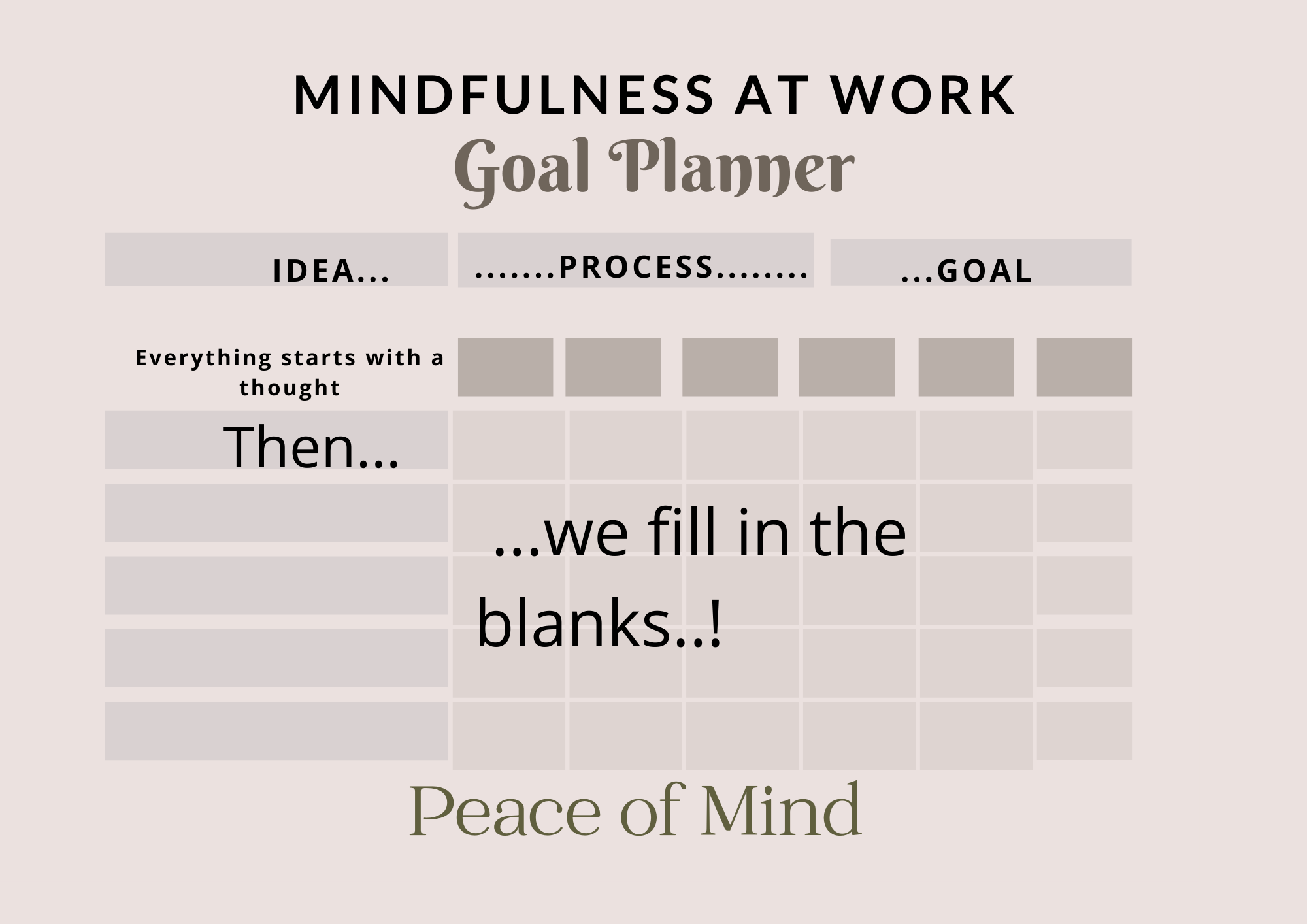
We have thoughts and ideas constantly, and once we attach an outcome to them, we consider them goals. However, if we are unable to achieve our goals, we usually view it as a failure, regardless of the reason. The reason for this is that we often overlook the process between setting and accomplishing our goals, which is where we often stumble.
To have any chance of achieving our goals, we must understand that every goal has a distinct process. Failure usually occurs when we fail to grasp the process or the outcome’s benefits. As a result, we must first determine whether the goal is truly our own or if someone else, such as a parent, partner, or boss, has implanted it in our minds.
We must then determine whether our goal is physical, emotional, or mental, as each has its own set of thoughts, plans, procedures, systems, styles, and consequences. We impact and are impacted by others, benefit and bring benefit, succeed in some aspects and bring success to others in the process. As a result, it is critical to comprehend why we believe accomplishing a particular goal is necessary in the first place. What benefits will we receive if we succeed, and what will be the cost in terms of finances, relationships, career opportunities, and physical, emotional, and spiritual health if we fail? Will failure damage our self-confidence and self-respect, or will it make us stronger?
Only if we have a clear answer to these questions will we comprehend the potential advantages of reaching our goals. When we analyze our thoughts in this manner, we learn how to communicate with ourselves. We learn the importance of setting challenging but realistic and subconsciously acceptable goals instead of unattainable ones that set us up for failure.
For example, it would be pointless for a scientist with no musical talent to attempt to compose a sonata, no matter how much they would like to. The process would almost certainly fail. When we understand our limitations, talents, and potential, we add a different type of discipline to the process and enjoy the successes as we progress.
It is always easier to be diligent when we know why we are doing something and for whom we are doing it. When we have a vested interest, we are unlikely to give up, and by the time we achieve our goal and taste success, we are already energized and strengthened by the successes along the way. At this point, failure is not part of our vocabulary, and we are limitless and successful.