
The FREEWILL CARE Facebook group provides a supportive community where members can share their experiences, heartaches, challenges, and victories and draw inspiration from one another.
Within our group, we present real-life scenarios that Freewill Carers encounter during their caregiving journey.
Although we are not a business, we value any service provider who is willing to extend their products or services to one or more of our Freewill Carers.
If you are interested in providing your support, kindly send your proposals and ideas to suzette@suzettezaayman.com, and she will take it forward from there.
Communities can actively participate by providing assistance to Freewill Carers in their towns, villages and suburbs. Community involvement in this regard is a testament to genuine camaraderie.
Contact Suzette if you would like to get involved in any capacity.
“To spread love to others in your community should not be a goal to achieve; it should be a reflection of who you are as a person.” – Suzette Zaayman.

When we decide to care for our sick loved one/s, it usually is due to an overwhelming desire to meet their needs and ensure they receive the best possible care. However, we often make this decision ignorant of what lies ahead.
On the Freewill Care Group, our regular informational posts and monthly newsletters offer insight into what we need to do to maintain our own well-being when voluntarily caring for loved ones.
Unfortunately, it is easy to lose ourselves in our commitment to caring for our loved ones. We must remember that the ultimate problem arises when the caregiver becomes the patient because we inevitably become ill when we forget that we also need to care for ourselves. Therefore, it is crucial to understand our position when caring for frail loved ones and ensure we take care of our health as well. This is not selfish, but rather, it is wise because once we become ill, difficulties only intensify.
Most of all we need to remember that we care because we receive a beautiful smile, a hug, a good morning or good night, and the inner knowledge that we did our best.
Above all, our top priority is health and safety. Any frail person can have an accidental fall, even if we are standing right next to them. It is why we must always consider the type of disability we are dealing with when deciding on activities and outings, even if it is just a walk around the house or block or giving a bath.
To make our tasks less stressful, we must create a care plan for ourselves at the beginning of our journey, follow it, and review it often to ensure its relevance. We must always treat our loved ones in need fairly and in ways that uphold their dignity as human beings.
We also need to ensure that material issues are taken care of. It is normal to forget information, particularly during a sudden stressful incident or hospitalization. Therefore, it is essential to prepare a personal file and ensure that all the necessary personal information such as identity numbers, birth dates, addresses, investments, life policies, et cetera is on hand. Additionally, all medical information, such as medical aid numbers, previous operations, health conditions, allergies, types of medications in use, et cetera should also be available and easily accessible so that we can relay information accurately to medical personnel and doctors. We should also have a signed testament. Certified copies should be kept in a safe or with an attorney, executor, or auditor. If not, a trusted person should take care of it. A living will is also crucial for minor wishes not included in the testament.
It is paramount to research these matters thoroughly to ensure that all angles are covered. If you need examples of relevant documents, please email your request to suzette@suzettezaayman.com. Trust me, it is important. You will only realize the significance of these preparations when your loved ones are too frail and/or unable to sign a document due to conditions such as Dementia. Additionally, you may need them after their passing when you do not know the banking or policy details. There is no better time than now to take care of these important matters. While it may feel invasive, it is vital.
Many selfless carers work in hospitals, frail care, hospice, and other similar settings, and their service is invaluable to the world.
Additionally, hundreds of freewill carers take on the responsibility of caring for their terminally or severely ill loved ones within the comfort of their own homes.
Of course, these freewill carers are not just caregivers, they are also spouses, parents, children, family members, and friends. The only difference is that they seldom leave the side of their patient.
The long and often difficult hours add to the emotional trauma associated with caring for their family whilst seeing their loved one/s deteriorate daily. For this reason, freewill carers are highly susceptible to disease themselves. Often they end up requiring someone to care for them in return.
This is where the Freewill Care Facebook Group comes into play.
In our group, we provide a space for them to share their memories, ask for assistance and present a safe place to air their feelings.
We also express gratitude towards our freewill carers and provide them with much-needed tender loving care in the form of a sponsored spa treatment, a dinner out, a special gift, or even just someone to talk to through collaboration with businesses and service providers.
Our goal is to spark a global action that fills our freewill carers with renewed energy and passion.
The word “aware” serves as a two-way warning and a call to attention to the context in which we use it.
As a warning, it encourages us to exercise caution and remain vigilant against potential risks and dangers. It may suggest that we “be aware”, or, in more urgent situations, it may command us to “beware!”
As a call to attention, we become conscious of a particular situation or fact. In this instance, our level of awareness can range from subtle to heightened, depending on the circumstances in which we find ourselves.
For instance, if we accidentally read about some terminal disease in a magazine, we may acknowledge it in our minds and move on. However, if someone close to us is diagnosed with that same disease, our awareness of the illness is heightened. If we ourselves are diagnosed with this same illness, our awareness becomes acute.
It is thus our position within a situation that plays a crucial role in determining our level of awareness and subsequent actions and reactions.
That is why we have to be conscious of developing our intuitive skills, as that can help us concentrate on better coping skills and more balanced lives no matter what situation we find ourselves in.
We have chosen to be carers of our own free will, and we will never regret this decision, despite the difficulties we may face. Nevertheless, it is normal to experience negative thoughts and feelings from time to time, as caring can be challenging. To overcome these negative thought processes, we need to create a plan and reinvent ourselves.
To start, we must befriend our frontal lobe, which is where we plan, create our intentions, set our purpose, and regulate our behaviour. Our frontal lobe is our critical sense or conscience, where we either accept or reject the values and norms of others as our own. We begin by contemplating what it would be like to feel happy, which we refer to as having happy thoughts. We think about individuals we know who embody what we want to be and determine from whom we can learn. We then reflect on circumstances that used to make us happy we can use them to plan to recreate similar situations in our lives.
Although this may seem silly, doing so teaches our brains to create new circuits or neural networks. In other words, we teach our brains to think differently when we condition our minds to gather information, examine our options because of previous knowledge and then immerse ourselves in what we create in our minds. This is reinventing ourselves by taking our knowledge and turning it into wisdom.
In a focused mind, our frontal lobe activates, and our intent matches our behaviour. Therefore, paying attention is a skill that we can develop through focus, will, and energy. When these three elements are present in our lives, we light up regardless of what we experience daily. We keep our eyes on the bigger picture allowing our light bulb moments to change our brain’s ability to think positively, regardless of our responsibilities as freewill carers.
Caring for someone with unique needs is a significant undertaking that requires a lot of time and courage. It can be physically, emotionally, and mentally challenging, and there is no regulation or specialized training available, regardless of the level of dependence of our loved ones. Therefore, most caregivers must rely on their own abilities and initiative.
Important things to remember, treat timeously or try to avoid at all costs are:
- Thin or fragile skin can lead to skin sores.
- Impaired mobility can cause circulatory problems that result in swollen legs and weak muscles.
- Sensory degeneration can lead to incontinence, bumps and bruises, burns, and other issues. Metabolic issues can cause digestive concerns that can result in stomach pain and, in some cases, blockages that require medical intervention.
- In general, issues such as body aches and pains are due to prolonged sitting or lying down.
- Grooming concerns, such as tooth decay, avoidable injuries, and even something as minor as ingrown toenails, can all contribute to mental health problems.
If it is impossible to avoid, always remember that all parties involved can become shy, frustrated, and often withdrawn. Ultimately, they can become depressed, not because they are ill or have to care for someone or be cared for, but because they no longer have their former abilities and freedom of movement. It can lead to avoidable accidents, such as falls or wet pants, and they ultimately lose their dignity, self-confidence, and self-respect.
As caregivers, we are responsible to provide proper care. Just as we wash our hair and ourselves, shave and trim our own nails regularly, we must do the same for them. We must find a comfortable way to wash and dry their hair, preferably while showering, and use a lukewarm hairdryer to avoid burns. We need to schedule regular toilet breaks and never restrict fluid intake because we do not have the time to assist.
Above all, we must be kind, respect their privacy, and uphold their dignity. If there is a need for adult diapers, we should refrain from using the word “nappy” and treat them as any other form of underwear.
Shower or bath time is an excellent opportunity to:
- Check for bruises, sores, and swelling, especially in the feet and legs, and any other irregularities.
- We must ensure that we wash and dry all body parts thoroughly to prevent rashes and discharges, including the armpits, area beneath the breasts of females, belly button area, any stomach folds, and between their toes.
- We must use an appropriate skin cream to treat their fragile skin before dressing them.
- We need to brush their teeth after every meal and ensure properly fitted dentures. There is nothing more troubling to all parties involved than preventable mouth ulcers.
Above all, we need to prioritize their safety every day.
- We must remove loose mats and
- unsecured electrical wires and
- avoid using uncovered hot water bottles or open heaters.
- We should never risk causing a fire by hanging clothes too close to a heater to warm up in the winter or
- offering beverages that are too hot.
- It is also best not to leave anyone alone to smoke or bathe.
Always remember. Prevention is better than cure, so we must be proactive and attentive to our loved ones’ needs to avoid preventable complications.
When a child is born, the first thing we want to hear is the sound of their voice. Unfortunately, as they grow up, we censor this same voice. If this occurs too often, they could lose their ability to speak their truth freely.
Luckily, like our shadow, our voice in the form of our character is always present, perhaps just hidden. All we need to do is confront our challenges, express our truth, and rediscover our voices.
When we stop comparing our internal light to that of others and instead let our own light shine brightly by treating others with kindness, we transform our vulnerabilities into strengths. We possess many brilliant ideas, positive thoughts, dreams, and creative desires, and we can make a difference by being resilient, inspired, and persevering.
The way to make our voice heard is in the smile we give to a beggar, the call we make to the sick, or the kind words we speak whenever we have the chance. All of this contributes positively to our inner peace and tranquillity.
Now we raise our voices in freedom, safety, joy, love, and gratitude and become balanced beings. This ability makes us ageless in consciousness.
When we care, whether as a parent, child, or friend, we provide friendship, love, attention, support, social activities, healthcare, financial help, dietary, moral, spiritual, and often religious care, among other things. We assume multiple roles, such as administrators, nurses, cooks, cleaners, conversationalists, hairdressers, and manicurists, even though we may have limited knowledge about these subjects.
Caring for someone involves at least two people and a commodity. For example, if our loved one needs a haircut, medicine, or oxygen, we become two people seeking a commodity. We must know where to acquire the product or service, whether we require a prescription or appointment, who the provider is, the timeline for receiving it, and what the facilities are like at the venue, such as wheelchair accessibility and bathroom facilities. Failure by any party leaves us vulnerable.
Therefore, we condense the vast array of tasks we perform when caring for a sick loved one and consolidate them into one word: HOPE. We offer Help, Optimism, Perseverance, and Energy
We provide assistance wherever possible to alleviate the burdens of others, thereby instilling a sense of optimism about the future. Consequently, we exhibit perseverance, the preferred attitude when confronted with challenges. Our optimistic outlook now supplies us with the vitality to maintain both our physical and mental endeavors with zeal. The summation of these components establishes collaborative alliances that engender hope for all parties involved.
 As we enter into the festive season, caring for our loved ones may not feel very festive at all. It can be disheartening to see others celebrating while we are still weighed down by our responsibilities. It’s important to recognize the signs of stress in ourselves and others, as stress can have both positive and negative effects.
Positive stress can motivate us and help us work more effectively, while negative stress can leave us feeling overwhelmed and out of control. It’s important to evaluate how we deal with stress and how it affects those around us. We should also consider health and safety stressors, especially in areas with high crime rates.
While it’s impossible to remove all sources of stress, we can develop coping mechanisms to better manage our stressors. Some helpful strategies include relaxation activities, engaging in enjoyable activities, exercising, practicing self-awareness, and seeking support from trusted individuals.
It’s also important to make our environment festive and to plan quality time with our loved ones, even if it means adhering to Covid19 protocols or doing something special for ourselves. Taking care of ourselves is essential, and we are worth it.
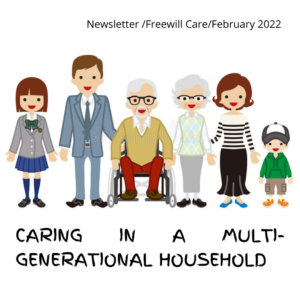
As we age, we must acknowledge that old age will eventually catch up with us, and it is crucial to feel wanted within our family dynamics, regardless of how long or short our lives are. Unfortunately, we often neglect to plan for the challenges that come with aging, and when our parents need care, the children are forced to make tough decisions concerning their care, even if they are financially sound. Taking ailing parents into our homes usually brings multiple generations under one roof, which can lead to untold psychological challenges for everyone involved.
The combination of mental, financial, and health-related strains to all parties involved can be overwhelming, particularly when the primary caregiver still has young children and/or teenagers in the home and is often a grandparent themselves.
During my time as a carer and in my dealings with carers, I have found that the most common psychological challenges that people in a multi-generational household experience are frustration, depression, loss of privacy, and self-confidence. However, there are ways to achieve stability and ensure that everyone involved is taken care of.
Therefore, it is crucial to:
- Have honest age-appropriate communication. When explaining the circumstances around the grandmother to a ten-year-old or explaining the ten-year-old to the grandmother, it is essential to keep the conversation appropriate and calm. Clear communication is the most profound contributor to living together in harmony. Before the grandparents move in, it is necessary to have a conversation to understand expectations, parameters, and the sharing of chores and responsibilities. Decide whether the arrangement is temporary or permanent and set up house rules. When the grandparent’s mental or physical health deteriorates, the child can become confused and frightened, putting an added strain on the primary caregiver. Luckily, technology offers many resources specifically geared for children, explaining the aging process and the process of death. Furthermore, involving children in caregiving provides them with an honest look into the daily caregiving process and opens the door to start a dialogue about aging issues in general.
- Share responsibilities. Even at an early age, children can take on responsibilities. They can perform everyday chores like helping with preparing meals, dishes, and even folding laundry. Chore rotation could assist because not everybody likes to cook or clean. Children can also help Grandma or Grandpa by sitting with them, reading together or watching TV, among other things. By involving children, we provide them with an honest look into the daily caregiving process and, we open the door to start a dialogue about aging issues in general. The relationship between an older relative and a child is invaluable because our older generation has a treasure trove of educational and historical information.
- Speak about money. If parents are contributing, decide beforehand how you will handle this. Be clear on goals and timelines. Families should establish guidelines that work for them, as long as the principle of honesty is adhered to. Money should never become the catalyst that breaks families apart.
- Respect private spaces. Discuss and make the best possible decision for your family. Harmonious living is what we strive for in all aspects of multi-generational living.
- Be flexible. While it is preferable to set out house rules to get things done in an orderly manner, it is not always good to be rigid in this. Times change, people change, needs change, and health changes, and we should adapt as we need to.
- .. a lot! Making jokes, dancing, making music, and going for walks can make life worthwhile.
In the process of providing care, it is essential to prioritize our own mental health. As parents, our duty is to provide a safe and nurturing environment for our children and to lead by example. As caregivers for our elderly parents, our responsibility is to ensure their safety and well-being, while allowing them to make informed decisions for themselves. We should offer subtle guidance rather than making decisions on their behalf.
It’s important to remember that we are their children first and caregivers second. Aging can be a frightening experience for our parents, and their fear and frustration may sometimes manifest as anger towards us, as we are their primary source of support. In such situations, we should keep the lines of communication open, and everyone should feel free to express their fears and concerns honestly without fear of reproach.
It may be necessary to increase our knowledge about the conditions we are dealing with, such as the differences between Alzheimer’s and Vascular Dementia, despite having similar outcomes. This knowledge can help us manage our expectations and be better prepared for what lies ahead. We can assist our loved ones in maintaining their independence for as long as possible while providing the necessary care when required.
A Freewill Carer is someone who voluntarily provides care to a family member or friend who is unable to care for themselves. Millions of individuals with little to no medical experience willingly care for their infirm loved ones out of love.
Unlike professional carers who have set working hours, time off, and the freedom to visit friends, a Freewill Carer never has the liberty to leave their loved one’s side without first arranging for additional care.
In this process, it is easy to overlook the fact that Freewill Carers are also spouses, parents, family members, and friends. Hence, the need arises for the creation of the Freewill Care Facebook group.